tour.crExplore tours ↗
Pacing your days around Guanacaste tides and sun
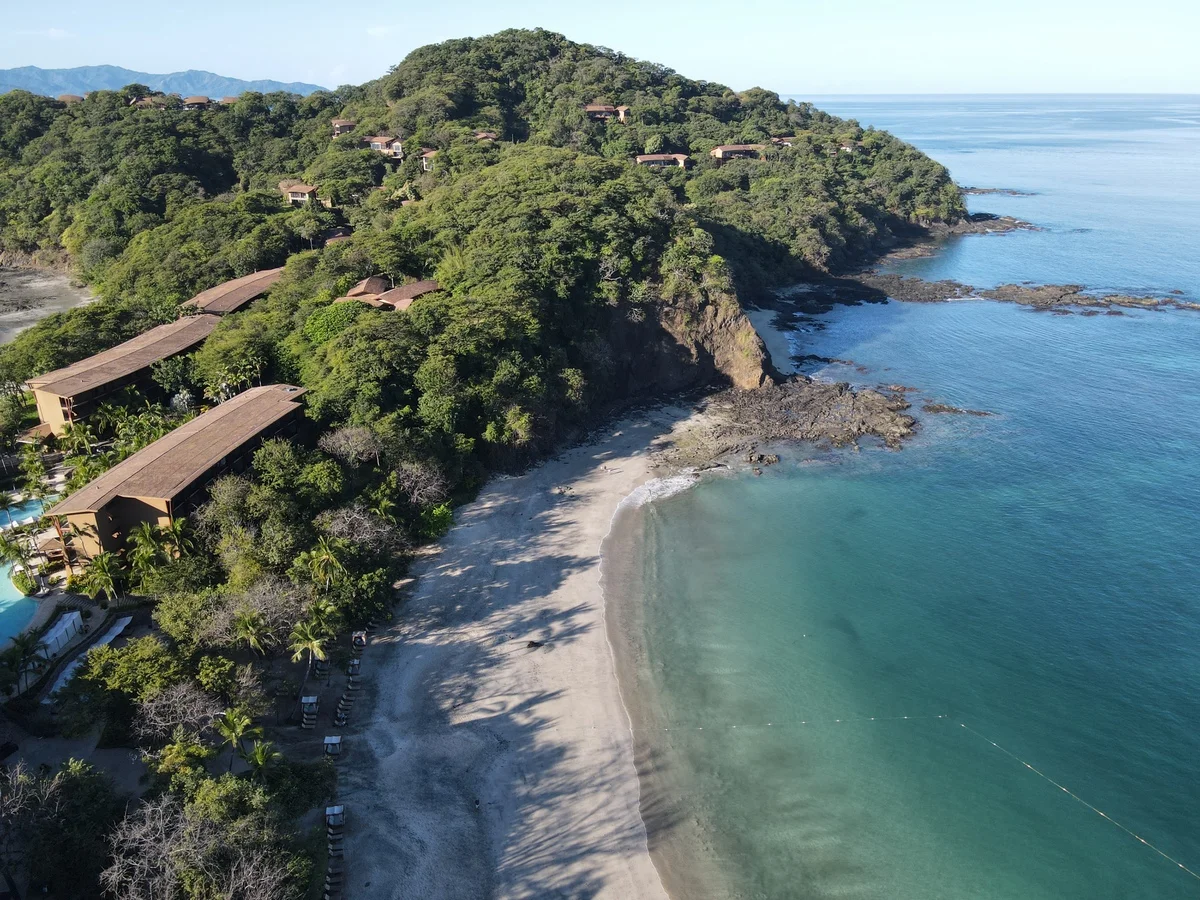
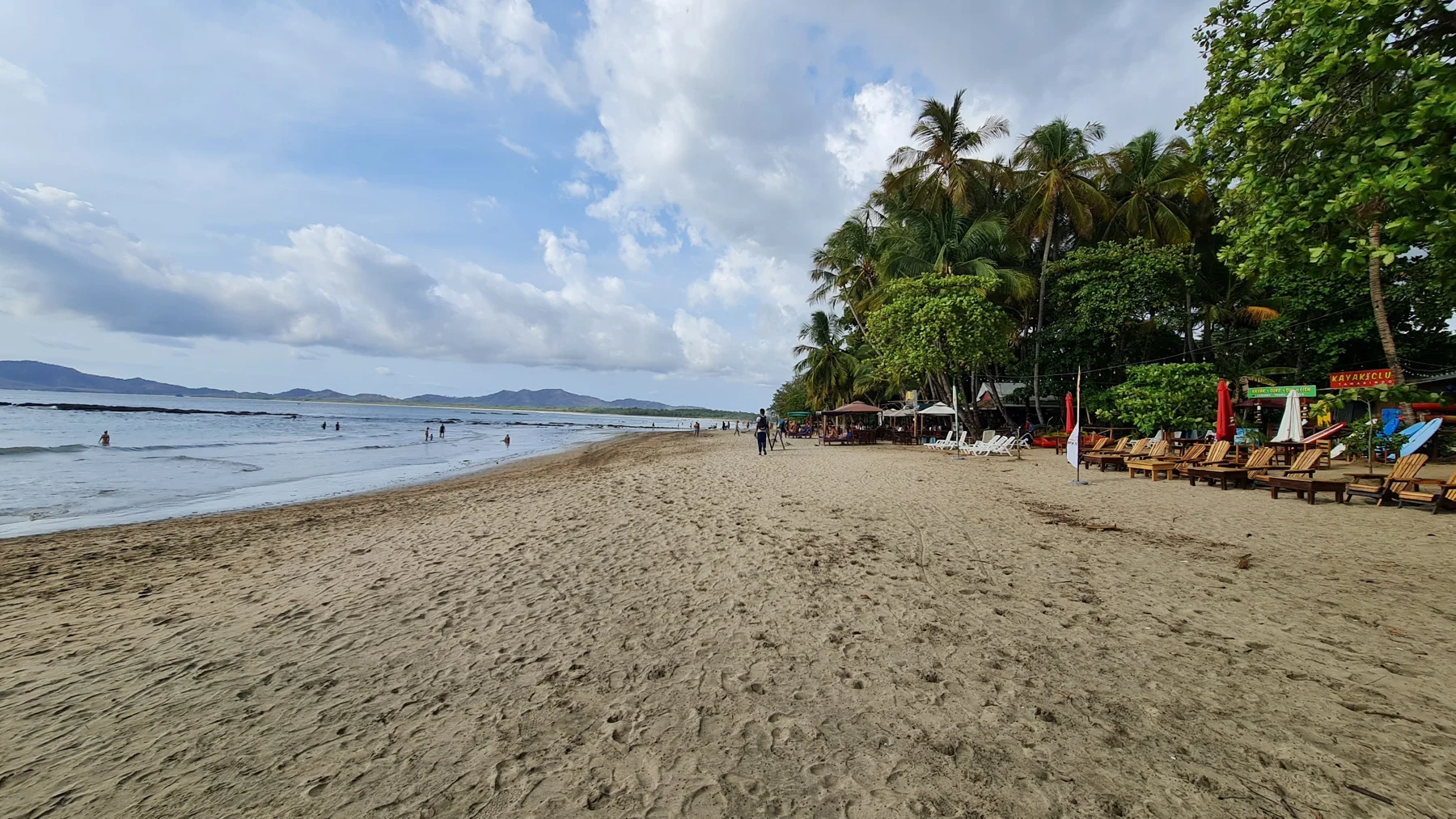
Set along a broad crescent bay in sunny central Guanacaste, Tamarindo sits directly between two contrasting coastal ecosystems: the surf breaks of Playa Tamarindo and Playa Langosta to the south, and the protected wetlands of Marino Las Baulas National Park and Playa Grande to the north. Because northwest Costa Rica enjoys the country’s longest dry season (December through April) and reliably warm mornings even during the green season, water activities run year-round.
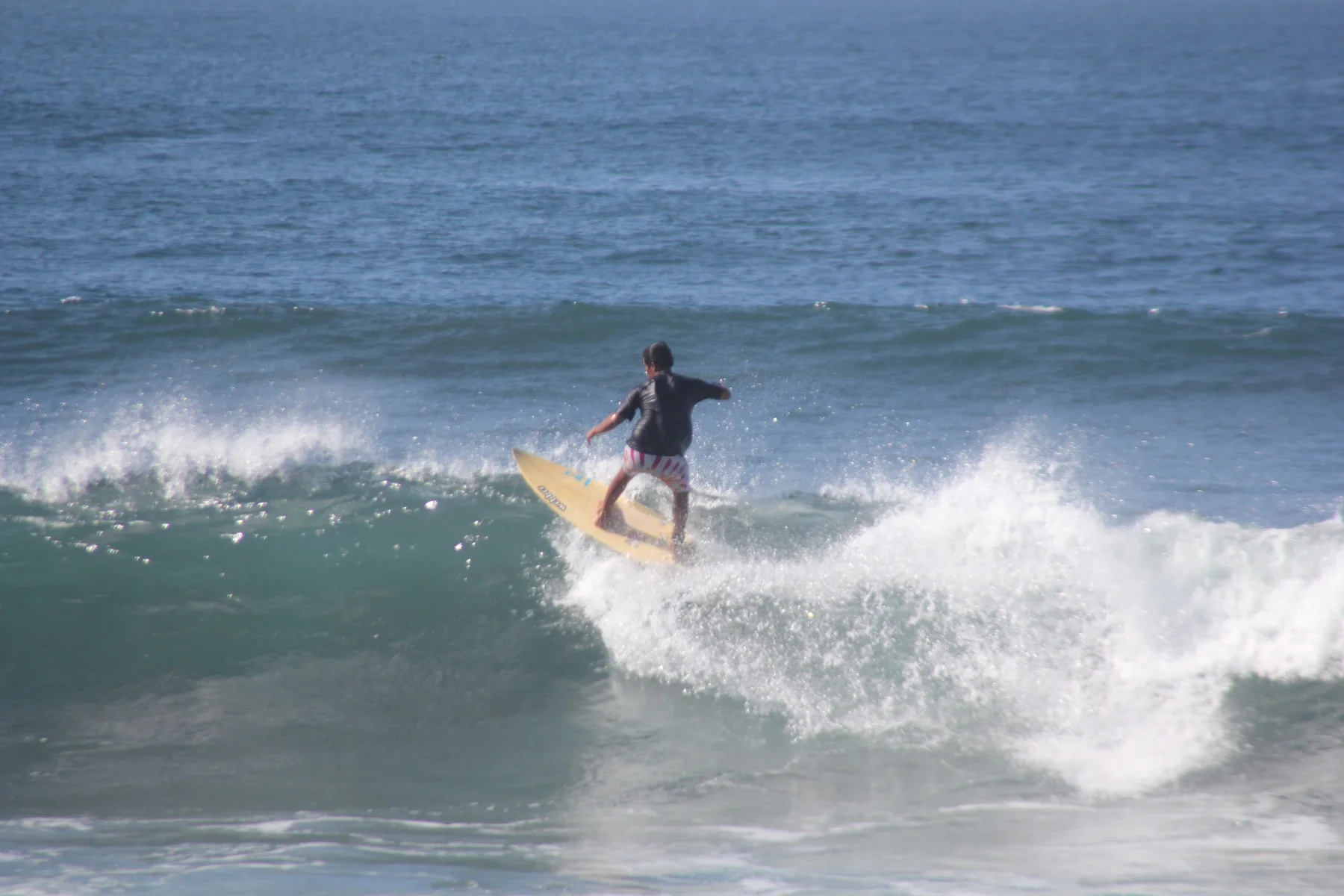
Tide height dictates the best window for almost every local outing. Mid-to-incoming tide creates forgiving, waist-deep whitewater rollers over the main beach sandbar for first-time surfers, while high tide opens the shallow sandbars of the Tamarindo Estuary so quiet skiffs and kayaks can glide deep into the mangrove forest.
Comparing Tamarindo’s core experiences
- Sandbar surf lessons & board coaching: Beginners benefit from main-beach schools located steps from the break with 3:1 or private instructor ratios and soft-top longboards, whereas progressing surfers can arrange guided sessions at Casitas, Pico Pequeño, or neighboring Avellanas.
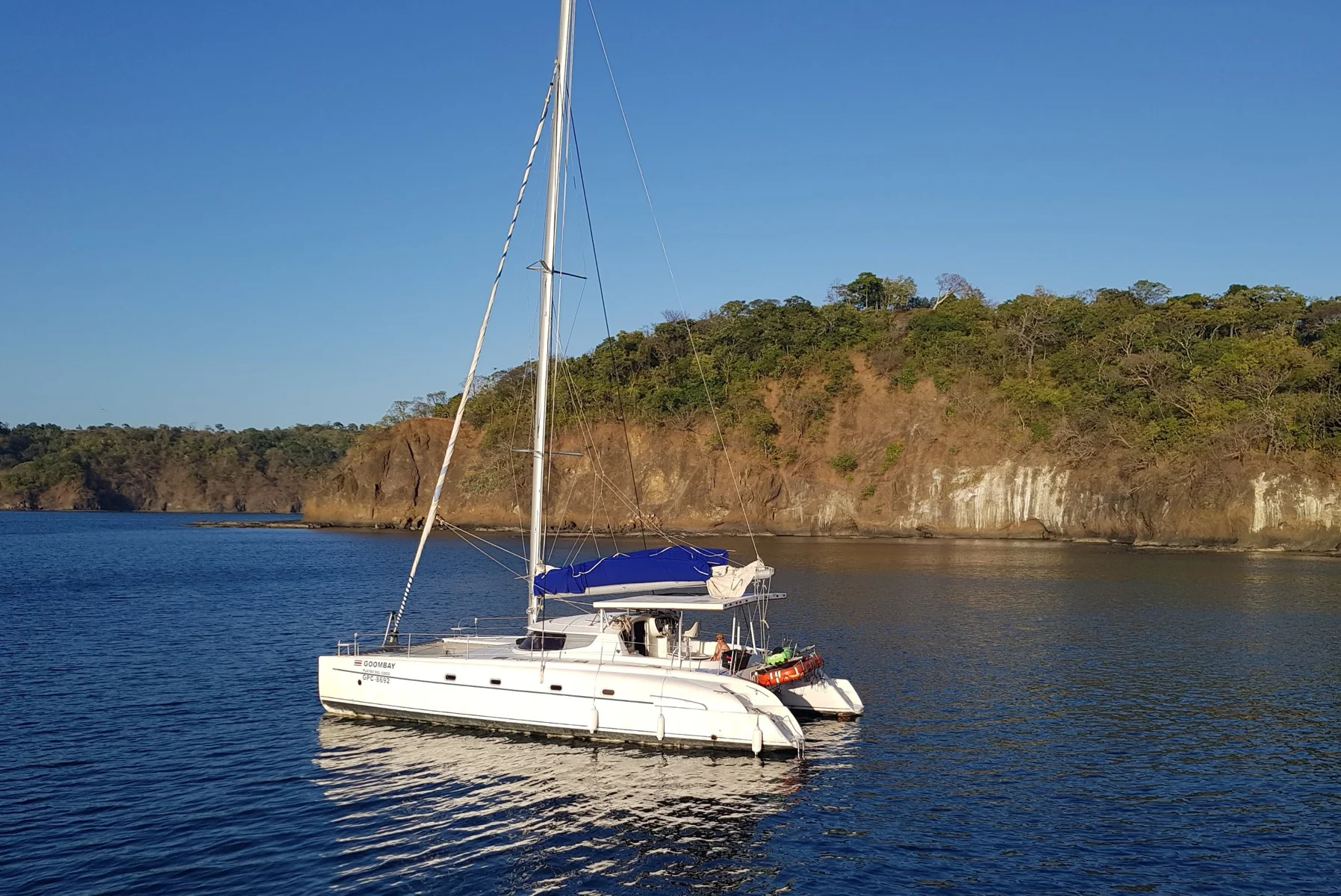
- Gold Coast catamaran snorkeling sails (1:00–6:00 p.m.): Afternoon catamarans anchor off Tamarindo beach (expect a wet dinghy boarding from the shore), sail north past Conchal and Brasilito to snorkel a sheltered volcanic reef, and return under full sail at sunset.
- Las Baulas mangrove estuary wildlife boats: Two-hour covered boat or kayak tours up the Río Matapalo estuary encounter American crocodiles, howler monkey troops, roseate spoonbills, and tiger herons just minutes from town.
Day-trip radius & operator tips
If you are staying five or more nights in Tamarindo, consider dedicating one full day to an inland excursion to Rincón de la Vieja Volcano or Palo Verde wetlands (roughly 1.5–2 hours each way). Always verify whether pickup is included from Langosta, Hacienda Pinilla, or Conchal resorts.