tour.crExplore tours ↗
Understanding Pacific volcanic reefs vs. Caribbean coral gardens
First-time visitors are often surprised to learn that Costa Rica’s Pacific and Caribbean coastlines host completely different underwater habitats. Along the Pacific (Gulf of Papagayo, Catalina Islands, Isla Tortuga, Manuel Antonio, and Caño Island), submerged volcanic rock formations and nutrient-rich upwellings attract large pelagic and reef fish—white-tip reef sharks, spotted eagle rays, giant manta rays, moray eels, pufferfish, and Pacific green turtles—rather than shallow branching coral.
On the Southern Caribbean coast inside Cahuita National Park and Gandoca-Manzanillo, warm shallow water supports an expansive living coral reef system with 35 species of brain, elkhorn, and fire corals, purple sea fans, blue tangs, parrotfish, and nurse sharks—especially during the calm Caribbean windows of September–October and February–March.
Top boat snorkeling excursions in Costa Rica
- Cahuita National Park Reef & Trail Combo (Southern Caribbean): Depart by Park-certified panga from Kelly Creek for two shallow coral-garden snorkel sessions at Punta Cahuita and Puerto Vargas, then get dropped off on the white sand to walk back through sloth- and monkey-filled coastal rainforest.
- Isla Tortuga Day Boats (from Montezuma, Jacó, or Puntarenas): Cruise across the sheltered Gulf of Nicoya to volcanic reef islets buzzing with sergeant majors, angelfish, andspotted porcupinefish, followed by beach time on palm-shaded sand.
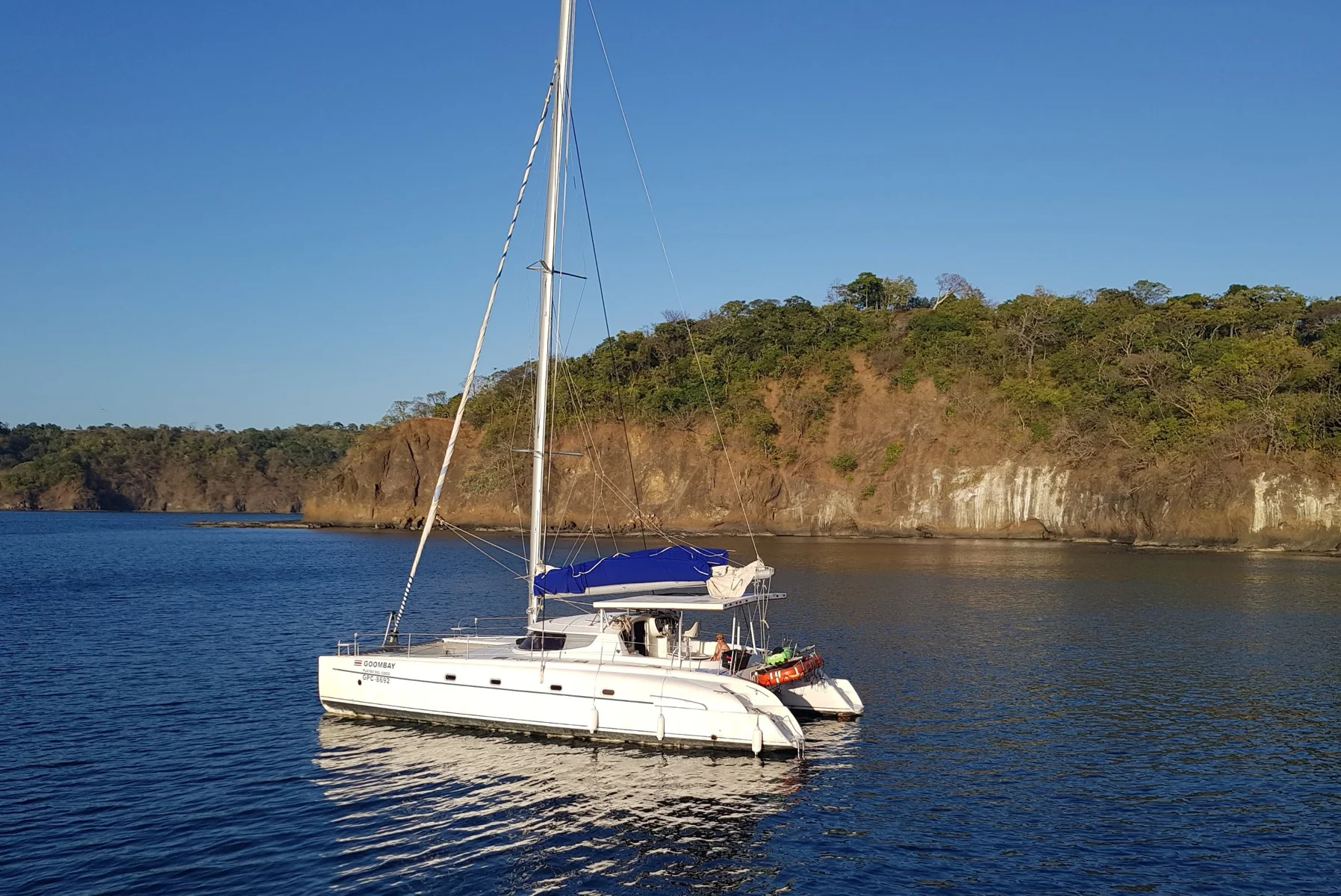
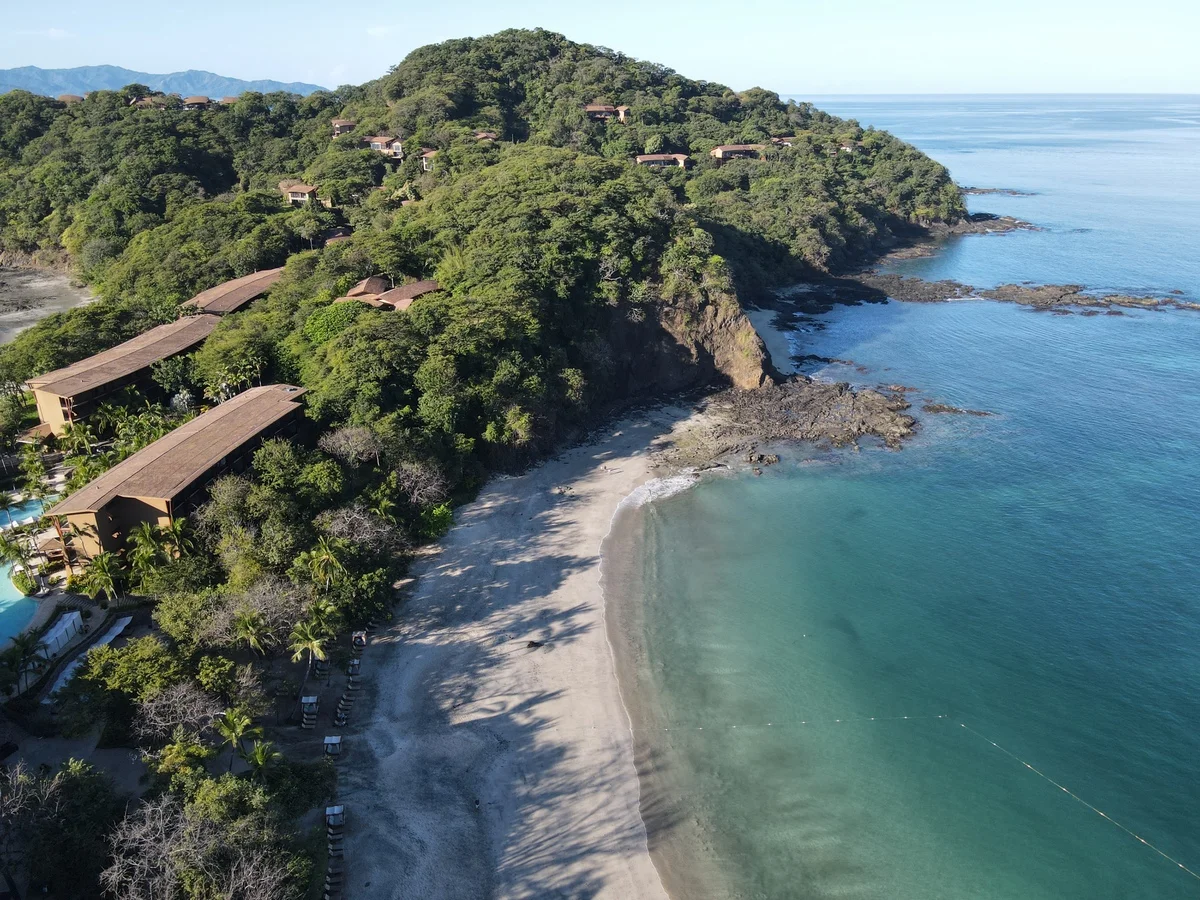
- Gulf of Papagayo & Ocotal Coves (Northern Guanacaste): Short morning boat rides from Playas del Coco reach sheltered volcanic bays (Virador, Tiburones, Pelonas) before midday winds pick up.
Safety & gear checklist
Verify that your boat carries fitted masks, dry-top snorkels, fins in your shoe size, and mandatory flotation vests or noodles, and bring a long-sleeve UV rashguard (which protects your back from tropical glare without washing chemical sunscreen onto fragile corals).
Review the complete tour booking checklist →